Falls and outlets
Water needs an uninterrupted route to adequately sized outlets without persistent ponding around details.
Flat roofs depend on correct falls, outlets, upstands, edge details and a system suited to the deck and intended use.
Photos, drawings or a short description can help explain the current condition.
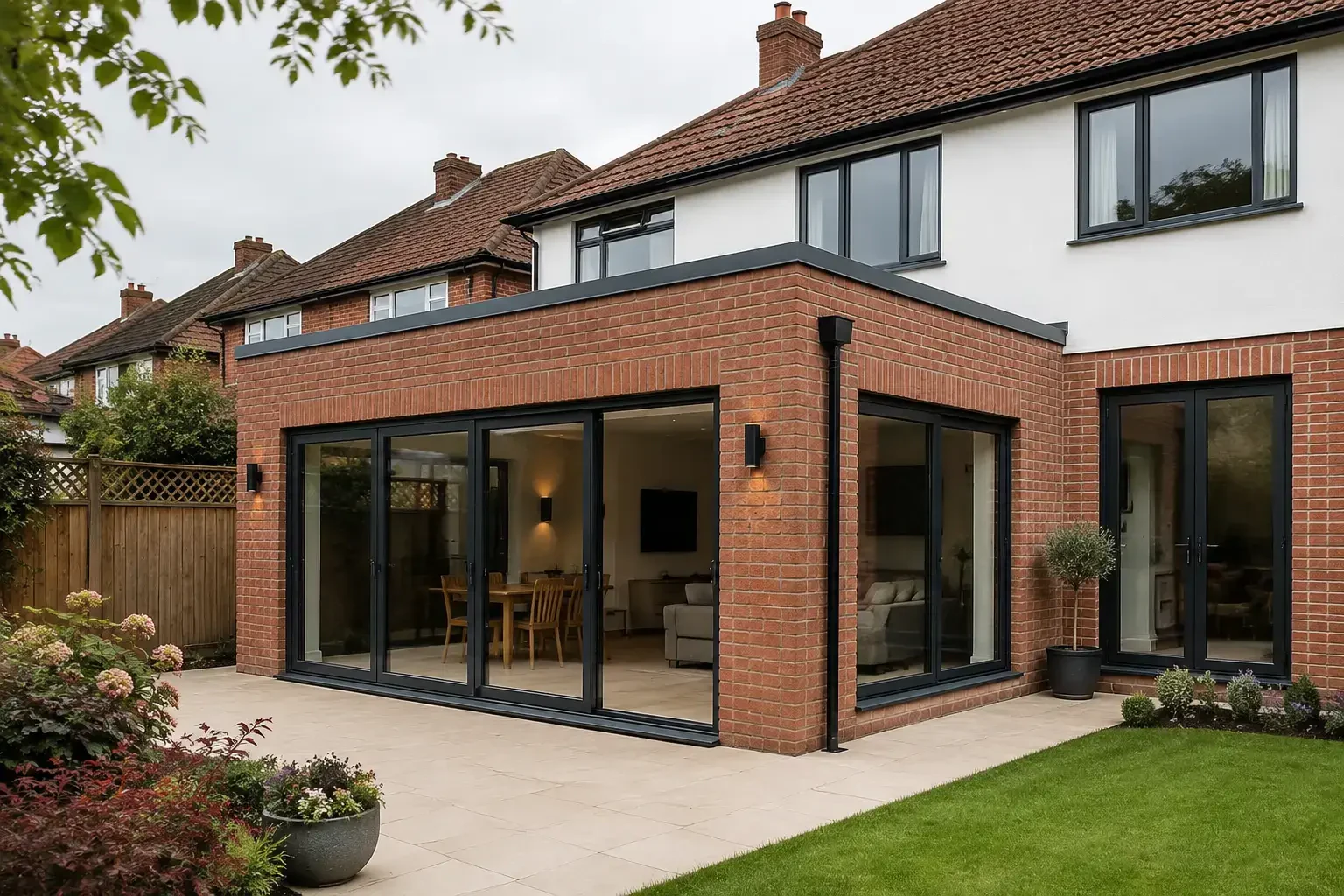
The waterproof layer is only one component. Deck condition, insulation, ventilation strategy, drainage and penetrations determine whether the completed roof performs as a coherent build-up.
Water needs an uninterrupted route to adequately sized outlets without persistent ponding around details.
Door thresholds, walls, rooflights and penetrations require sufficient height and compatible weathering.
Overlaying a weak or moisture-affected deck can shorten the life of an otherwise sound covering system.
The right system depends on substrate, access, detailing, appearance and manufacturer requirements. A brand name alone is not a complete specification.
Yes, but the build-up and condensation-control strategy need to be designed correctly, particularly where levels at doors or abutments are restricted.
Small amounts may be tolerated by some systems, but persistent water can indicate inadequate falls or outlets and should be assessed against the system guidance.
Roof repairs should address the route water is taking and the condition of surrounding details, not merely cover the first visible gap.
Explore roof repairsChimneys combine exposed masonry, leadwork, pots, flaunching and roof junctions, so repairs should consider the stack as a complete weathering detail.
Explore chimney repairsNew roofs must meet existing walls, coverings and rainwater systems correctly.
Downpipes and outlets need an appropriate destination at ground level.
Describe what you can see, when the problem occurs and any access limits.