Keep water moving out
Falls, coverings, junctions, outlets and gutters need to work as a continuous drainage route.
Roofing enquiries considered in the context of the structure below, the route for rainwater and the details most likely to fail.
A short description of the property and the change needed is enough to get started.
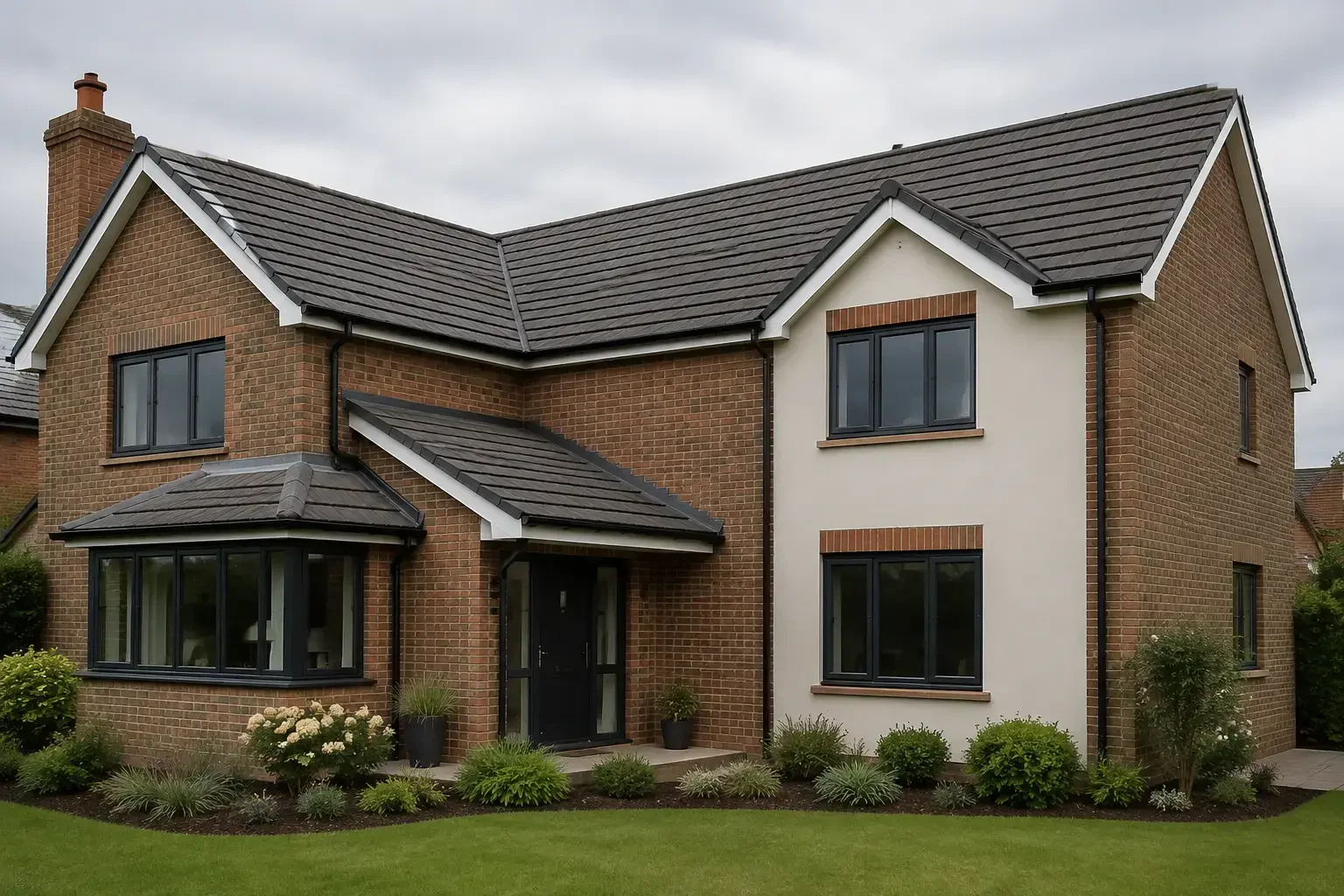
Roofing work is most reliable when the cause of a problem is established before a visible symptom is covered. Inspection, safe access, weathering details and compatible materials all belong in the scope.
Explore the options below and see which practical decisions are likely to affect the result.
Falls, coverings, junctions, outlets and gutters need to work as a continuous drainage route.
Internal staining does not always identify the external entry point, so location and weather conditions matter.
Roof height, neighbouring boundaries, scaffolding and material movement affect the practical scope.
Roof repairs should address the route water is taking and the condition of surrounding details, not merely cover the first visible gap.
Read about roof repairsFlat roofs depend on correct falls, outlets, upstands, edge details and a system suited to the deck and intended use.
Read about flat roofingChimneys combine exposed masonry, leadwork, pots, flaunching and roof junctions, so repairs should consider the stack as a complete weathering detail.
Read about chimney repairsAn extension roof has to resolve height, drainage, daylight and the junction with the original property while supporting the room planned below it.
Read about roofing for extensionsA replacement roof is a significant project that should account for structure, coverings, insulation, ventilation, access and the condition revealed during strip-off.
Read about roof replacement planningRoof drainage protects walls, foundations and external areas by collecting water at the roof edge and delivering it to a suitable discharge point.
Read about guttering and roof drainageInternal making good should follow investigation and weather-tight repair.
New roofs must meet existing walls, coverings and rainwater systems correctly.
Downpipes and outlets need an appropriate destination at ground level.
Describe where and when the problem appears, with photographs where safe.
Inspect the roof and adjoining fabric rather than diagnosing from the internal mark alone.
Set out repair or replacement options with access and weather assumptions.
Check rainwater routes and junctions before considering the work complete.
See the Roofing in Burntwood page or browse all areas covered.
Describe the property or site, what needs attention and where the work is.